Monday, 21 August 2017

Computer


Image result for computer full hd
A computer is a device that can be instructed to carry out arbitrary sequences of arithmetic or logical operations automatically. The ability of computers to follow generalized sets of operations, called programs, enables them to perform an extremely wide range of tasks.

Such computers are used as control systems for a very wide variety of industrial and consumer devices. This includes simple special purpose devices like microwave ovens and remote controls, factory devices such as industrial robots and computer assisted design, but also in general purpose devices like personal computers and mobile devices such as smartphones. The Internet is run on computers and it connects millions of other computers.

Since ancient times, simple manual devices like the abacus aided people in doing calculations. Early in the Industrial Revolution, some mechanical devices were built to automate long tedious tasks, such as guiding patterns for looms. More sophisticated electrical machines did specialized analog calculations in the early 20th century. The first digital electronic calculating machines were developed during World War II. The speed, power, and versatility of computers has increased continuously and dramatically since then.

Conventionally, a modern computer consists of at least one processing element, typically a central processing unit (CPU), and some form of memory. The processing element carries out arithmetic and logical operations, and a sequencing and control unit can change the order of operations in response to stored information. Peripheral devices include input devices (keyboards, mice, joystick, etc.), output devices (monitor screens, printers, etc.), and input/output devices that perform both functions (e.g., the 2000s-era touchscreen). Peripheral devices allow information to be retrieved from an external source and they enable the result of operations to be saved and retrieved.


Top 15 geek blog sites
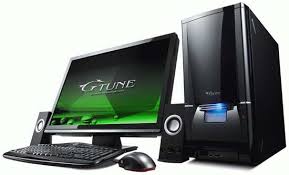

Image result for computer hd image

Some blogs educate, help people collaborate, spark ideas and just plain expand our thought universe. Others stir emotions and anger us or make us laugh. The editors of Computerworld got together and offered up a list of their favorite blog sites. We pared more than 50 submissions to the top 15 technology blog sites based on breadth of information, newsworthiness, design, frequency of updates and entertainment value.

Sure, the list is subjective, but we think this is one of the best catalogs of blogs that has ever been published. The entries ran the gamut, from serious technology news and reviews to commentary on games and the latest tech gadgets. We included some honorable mentions at the end because the competition was so close.

Of course, not everyone will agree with our selections. If you think a blog site that's not on our list deserved a top 15 spot, share it with us in the comments section.

1) Lifehacker

www.lifehacker.com

Lifehackers' motto says it all: "Don't live to geek, geek to live." This blog offers timesavers of just about every stripe, from Firefox shortcuts to tips from the "Getting things done" faithful.

2) IT Toolbox Blogs
http://blogs.ittoolbox.com
IT Toolbox has a number of "in the trenches" IT pros who talk about technology and management issues. There are specialist blogs dealing with security, databases and project management, among other subjects. It's a versatile site.

3) Valleywag
http://valleywag.com
Bring in the noise, bring in the snark. Valleywag is for those who believe that the tech industry lives or dies by the scuttlebutt pinging around Silicon Valley. And it's amusing for those of us who prefer that the lotus-eaters of Northern California stick with the dishing and tongue-wagging, leaving the rest of us to get the real work done.

4) Kotaku
http://kotaku.com
Kotaku is the snarky, gamer uber-blog. It has everything from reviews and gossip to cheat tips. Just about anything you'll ever need, including which game to buy and how to play it.

5) Danger Room
http://blog.wired.com/defense
Wired's military and defense blog writes about some of the coolest and scariest military technologies -- not to mention scandals, debates and other military news. Lots of video and imagery are included.

6) Gizmodo
http://gizmodo.com
Gizmodo's got the scoop on all the latest toys and cool and wacky inventions -- from high-def TVs and coffee makers to booze belts and USB drives. You've got to love a site that publishes photos of a solar-powered bathing suit. Yeah, they also blog about serious technology news too.

7) O'Reilly Radar
http://radar.oreilly.com
This is where you can read Tim O'Reilly (founder of O'Reilly Publishing) and others discuss networking, programming, open source, intellectual property, politics, Web 2.0 and emerging technology.

8) Techdirt
http://www.techdirt.com
Techdirt is a newsy, "tell it like it is" blog that frequently features debates on the hot issues in the Internet and computer fields. Scandals are a specialty. Simplicity is its hallmark.

9) Groklaw
http://www.groklaw.net
Groklaw's raison d'etre is needling SCO in its long-running legal fights against IBM and Novell, but the discussion sometimes veers toward other issues that involve technology, intellectual property, and government regulations.

10) Hack a Day
http://www.hackaday.com
Want to learn how to add USB to a cheap Linux router? Create a snake robot? How about an XBox 360 laptop? Hack a Day has these basement projects and many more. This site is for the serious techie. At the same time, it's good for a laugh or a new hobby.

11) Engadget
http://www.engadget.com
As Coke is to Pepsi, so Engadget is to Gizmodo. It's all about gear, gossip, techish issues and the occasional rant. It's got great product photos, and the editors have access to pre- and early-release gadgetry. Also, some really funny homemade junk. But we prefer Gizmodo.

12) Feedster
www.feedster.com/feedpapers/Technology
Like drinking from the hose. This Web page brings together blog sites about technology, sports, celebrity gossip, food, personal experiences -- you name it. It also offers a blog search feature that allows you to input words or phrases, and it has a very cool RSS aggregator for news feeds. It also injects some great humor into technology news. An all-around great site.

13) Forever Geek
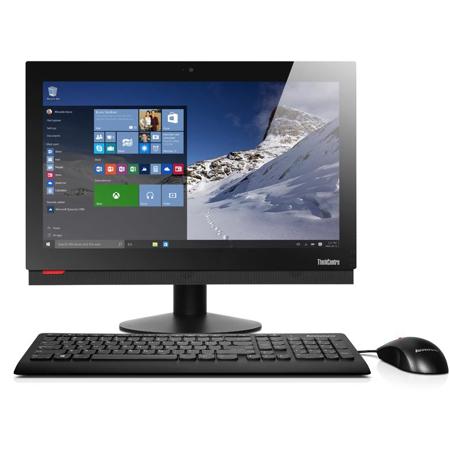

ISN'T governance


Image result for computer hd image
ISN'T is governed by an ‘International Agency’, commonly known as the ISNI-IA. This UK registered, not-for-profit company has been founded by a consortium of organisations consisting of the Confédération Internationale des Sociétés d´Auteurs et Compositeurs (CISAC), the Conference of European National Librarians (CENL), the International Federation of Reproduction Rights Organisations (IFRRO), the International Performers Database Association (IPDA), the Online Computer Library Center (OCLC) and ProQuest. It is managed by directors nominated from these organisations and, in the case of CENL, by representatives of the Bibliothèque nationale de France and the British Library.


International Standard Name Identifier

International Standard Name Identifier (ISNI) is a method for uniquely identifying the public identities of contributors to media content such as books, TV programmes, and newspaper articles. Such an identifier consistgits divided into four blocks.
It was developed under the auspices of the International Organization for Standardization (ISO) as Draft International Standard 27729; the valid standard was published on 15 मार्च 2012. The ISO technical committee 46, subcommittee 9 (TC 46/SC 9) is responsible for the development of the standard.
ISNI can be used fo


Image result for computer hd image


Uses of an ISNI

Uses of an ISNI[संपादित करें]
The ISNI allows a single identity (such as an author’s pseudonym or the imprint used by a publisher) to be identified using a unique number. This unique number can then be linked to any of the numerous other identifiers that are used across the media industries to identify names and other forms of identity.
An example of the use of such a number is the identification of a musical performer who is also a writer both of music and of poems. Where he or she might currently be identified in many different databases using numerous private and public identification systems, under the ISNI system, he or she would have a single linking ISNI record. The many different databases could then exchange data about that particular identity without resorting to messy methods such as comparing text strings. An often quoted example in the English language world is the difficulty faced when identifying ‘John Smith’ in a database. While there may be many records for ‘John Smith’, it is not always clear which record refers to the specific ‘John Smith’ that is required.
If an author has published under several different names or pseudonyms, each such name will receive its own ISNI.
ISNI can be used by libraries and archives when sharing catalogue information; for more precise searching for information online and in databases, and it can aid the management of rights across national borders and in the digital environment.

                                                          COMPUTER INFORMATION


Data vs. Information

   Data are calculated and processed on a daily basis through computers in business, at home, and in education. Data are essentially the raw facts that are usually typed into a computer. We call these "raw" facts due to them being unorganized. They can come in any form from audio and visual, to text and numerical. When the data is entered into the computer, it is considered input. The computer calculates the data and spits out the information. Since this information is the output, it becomes the organized version of what used to be raw facts. This system is considered information processing. Data can also come in other forms including figures, experiments, and surveys. Most everything that is entered into a computer becomes data, which is why this term is so vital to understanding computers and how they operate.[1] Information is produced by the data; it is form of knowledge, and computers calculate detailed information.[2]                                  Related image

Computer A computer is a device that can be instructed to carry out arbitrary sequences of arithmetic or logical operations automat...